
hip pain that will not go away
Hip Pain That Will Not Go Away: When to Seek an Evaluation
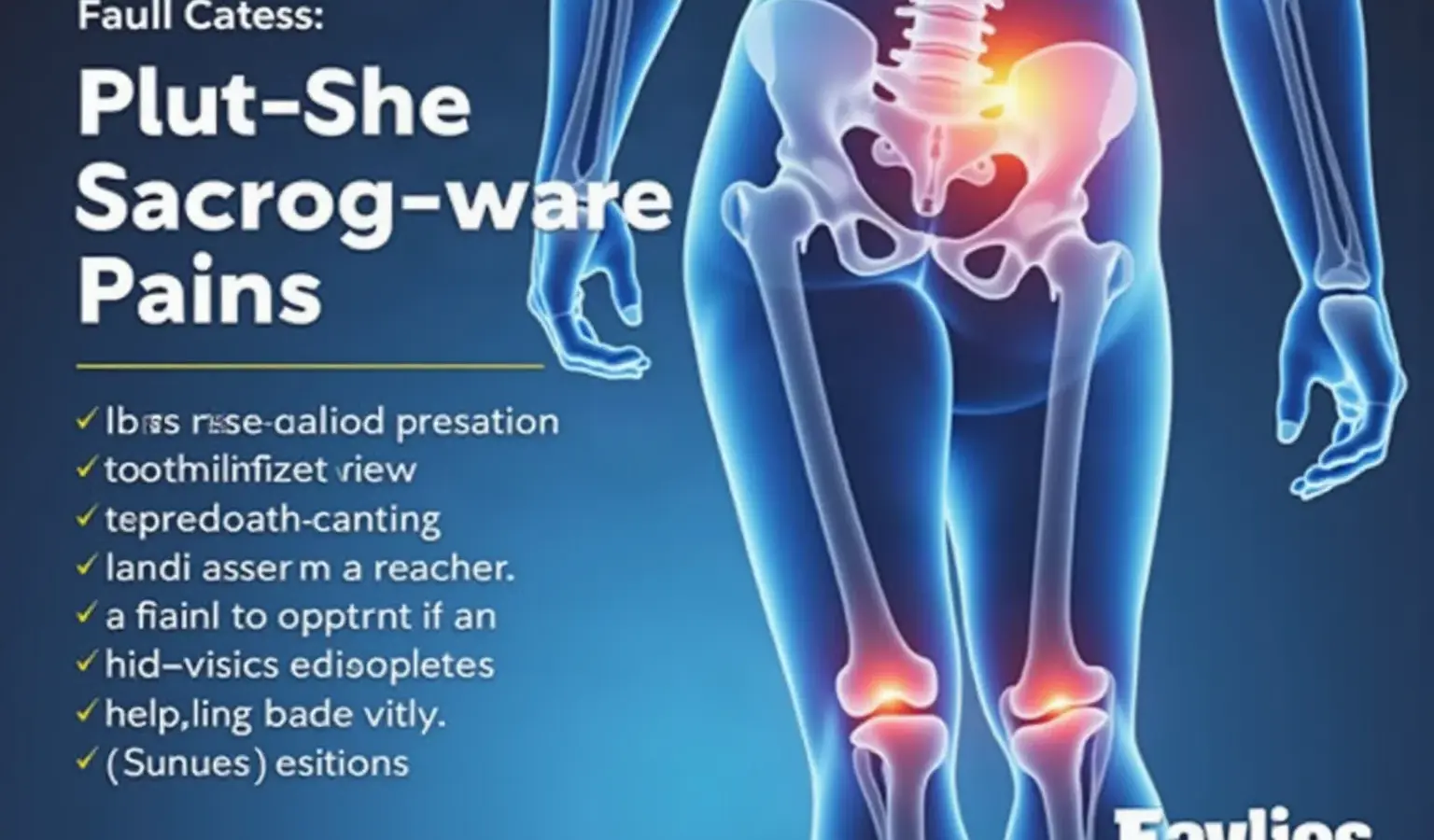
Persistent pain calls for clarification, not assumptions
Persistent hip pain can have several possible sources, so the symptom alone cannot tell you what is causing it. Chronic hip pain can be difficult to diagnose when it occurs alongside chronic pain in your lower back or knee. Nonorthopedic causes can also present as hip pain.
A clinician can take a detailed history, examine you, and decide whether further investigation is appropriate. You do not need to identify the cause before asking for help clarifying it.
Chronic hip pain can affect your daily activities and quality of life. The effect may be as useful to describe as the location: perhaps the pain changes what you do during an ordinary day, or makes a familiar activity harder. Note the specific impact you have noticed. That gives you a concrete way to explain why you are seeking an assessment, without having to name a condition.
Pain location offers context, not a diagnosis
Musculoskeletal causes of adult hip pain can be grouped into posterior, lateral, and anterior categories. These terms describe where you feel pain; they are not diagnoses. Use them as plain-language landmarks when you explain the location:
- Posterior: toward the back of the hip.
- Lateral: at the side of the hip.
- Anterior: toward the front of the hip.
Your pain may not fit neatly into one area. You can point to the place that bothers you most and mention if it spreads or appears in more than one region. The category helps organize the description; it does not establish which structure or condition is responsible.
Posterior hip pain can prompt consideration of several possibilities, including pain referred from the lumbar spine or femoroacetabular joint, sacroiliac-joint pathology, piriformis syndrome, and proximal hamstring tendinopathy. This range illustrates why the location alone cannot identify your cause.
If you feel pain toward the back of the hip, describe that area in your own words. Mention any lower-back or knee pain as well, rather than deciding for yourself that one symptom explains another. The point is to give the clinician a fuller account to consider.
Lateral hip pain also has more than one possible musculoskeletal source. A review describes gluteal tendinopathy and iliotibial-band thickening as the most common causes in this location. That description concerns a group of possible causes; it does not show that either one explains your pain.
You can tell the clinician whether the discomfort is mainly at the side, whether you notice it in other areas too, and what activities bring it to your attention. Those details describe your experience without turning a location into a conclusion.
Entrapment neuropathies and myofascial pain may also be considered across the hip-pain regions. These examples show why a front-of-hip description cannot distinguish among possible explanations.
Use the location as a starting point for conversation, not as a self-diagnosis. You can mark where you feel the pain and explain whether it stays in one area or extends elsewhere. The next useful part of the account is what else is happening alongside it.

Hip-area pain may involve more than the hip joint
If you have back or knee pain too, include it in the conversation even if the hip is what concerns you most. You do not have to decide whether the symptoms are connected. A detailed history and clinical assessment can consider them together.
A useful description goes beyond the word “hip.” Note when you first noticed the pain, where you feel it, whether its pattern has changed, and what you were doing when you became aware of it. You can also describe how it affects your usual activities and whether back or knee pain is part of the picture. These are observations, not conclusions about the cause.
If the location is hard to describe, use ordinary landmarks such as front, side, or back, and point to the area when you speak with a clinician. Similar broad locations can still fit different possibilities, so avoid trying to match your symptoms to a condition name. Your goal is to explain what you experience clearly enough for it to be considered in an assessment.
Three hip regions organize possible causes
Musculoskeletal sources of adult hip pain can be grouped by region: posterior (back), lateral (side), or anterior (front). These labels organize possible causes but do not establish a diagnosis. Gluteal tendinopathy and iliotibial-band thickening are described as the most common causes of lateral hip pain. The process brings your account together with clinical examination; it is not a decision made from location alone.
Your description does not need to sound medical. Be ready to explain what you have noticed and what you want clarified. A brief note can help you remember the details you meant to share:
A short appointment note can capture the parts of your experience you want to discuss:
- Location: front, side, back, or more than one area.
- Course: when you first noticed the pain and how its pattern has changed.
- Context: what you were doing when you noticed it, and what activities bring it to mind.
- Impact: which ordinary activities have become harder or changed.
- Other symptoms: whether you also have lower-back or knee pain.
- Previous care: any earlier conversations, examinations, or investigations related to the same problem.
You do not need to interpret these details or complete a formal log. Their immediate purpose is to help you give a clear account of what you have experienced and what you hope to understand. If some details are uncertain, say so rather than guessing.
A few direct questions can help you follow the assessment:
- What possible causes are being considered?
- What did my history and physical examination help clarify?
- If you recommend an investigation, what question is it meant to answer?
- How do my back, knee, or other symptoms fit into the assessment?
These questions do not assume a particular diagnosis or test. They help you understand how the clinician is moving from your description toward a conclusion. If an explanation is unclear, ask for it in everyday language before deciding what you want to do next.
The clinical question guides any imaging
Imaging choices depend on the possible causes under consideration. Depending on the clinical differential, a review lists plain-film radiography, computed tomography, magnetic resonance imaging, skeletal scintigraphy, and ultrasonography among the modalities used for accurate diagnosis. This is a range of options, not a recommendation that you need every test—or any particular one.
If imaging comes up in your evaluation, ask what clinical question it is meant to address and how the result would fit with your history and examination. The point is to understand the reason for a proposed investigation, rather than selecting a scan from a list based on symptoms alone.
You can also ask why one option is being considered and what the next discussion would be after the result. The modalities named in a review do not form a sequence you must work through. The possible causes being assessed guide which options are relevant.
Use an evaluation to clarify your next step
If hip pain has continued and you want help clarifying possible causes, discuss it with a healthcare professional. Bring your notes on location, pattern, daily impact, and any back or knee pain. Ask what the history and examination suggest and whether an investigation is being considered. A qualified healthcare professional can assess your individual situation; this guide cannot diagnose the cause or determine which care is suitable for you.
Questions about evaluating persistent hip pain
What can cause hip pain that will not go away?
Persistent pain may come from the hip joint, nearby muscles or tendons, the lower back, or other causes. Similar pain locations can fit different conditions, so symptoms alone cannot identify the cause; a clinician considers your history and examination.
What information should I share at an appointment about ongoing hip pain?
Note when the pain began, where you feel it, how its pattern has changed, what activities bring it on, and how it affects daily life. Mention any lower-back or knee pain and previous evaluations or investigations. If you are unsure about a detail, say so rather than guessing.
Does persistent hip pain mean I need imaging?
Not necessarily. Imaging is one possible part of an evaluation, and the choice depends on what causes are being considered alongside your history and examination. If imaging is proposed, ask what question it is intended to answer and how the result would inform the assessment.
Free consultation
Find out whether regenerative treatment is right for you.
Most consultations begin as a telehealth call with a physician specialist, so you can start without travelling to a clinic. No referral needed.